
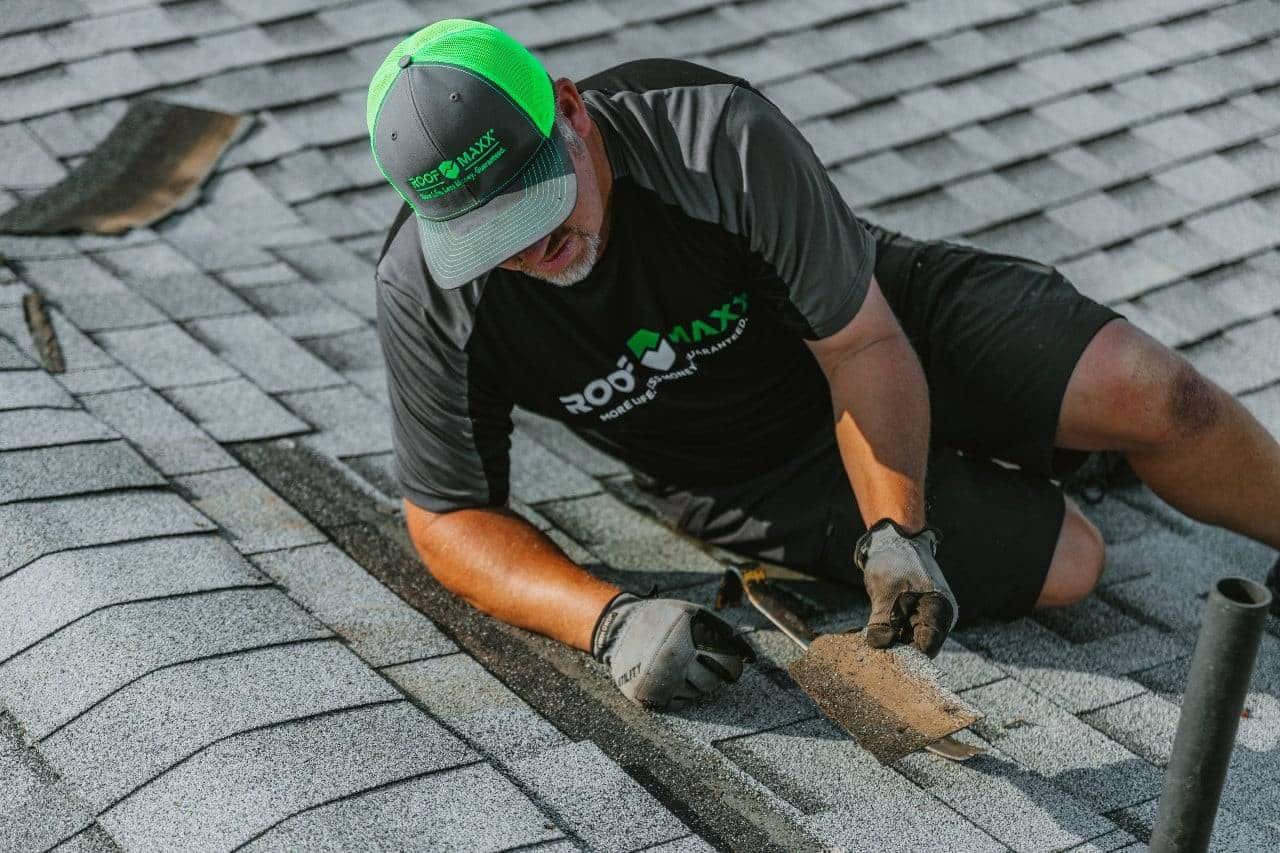
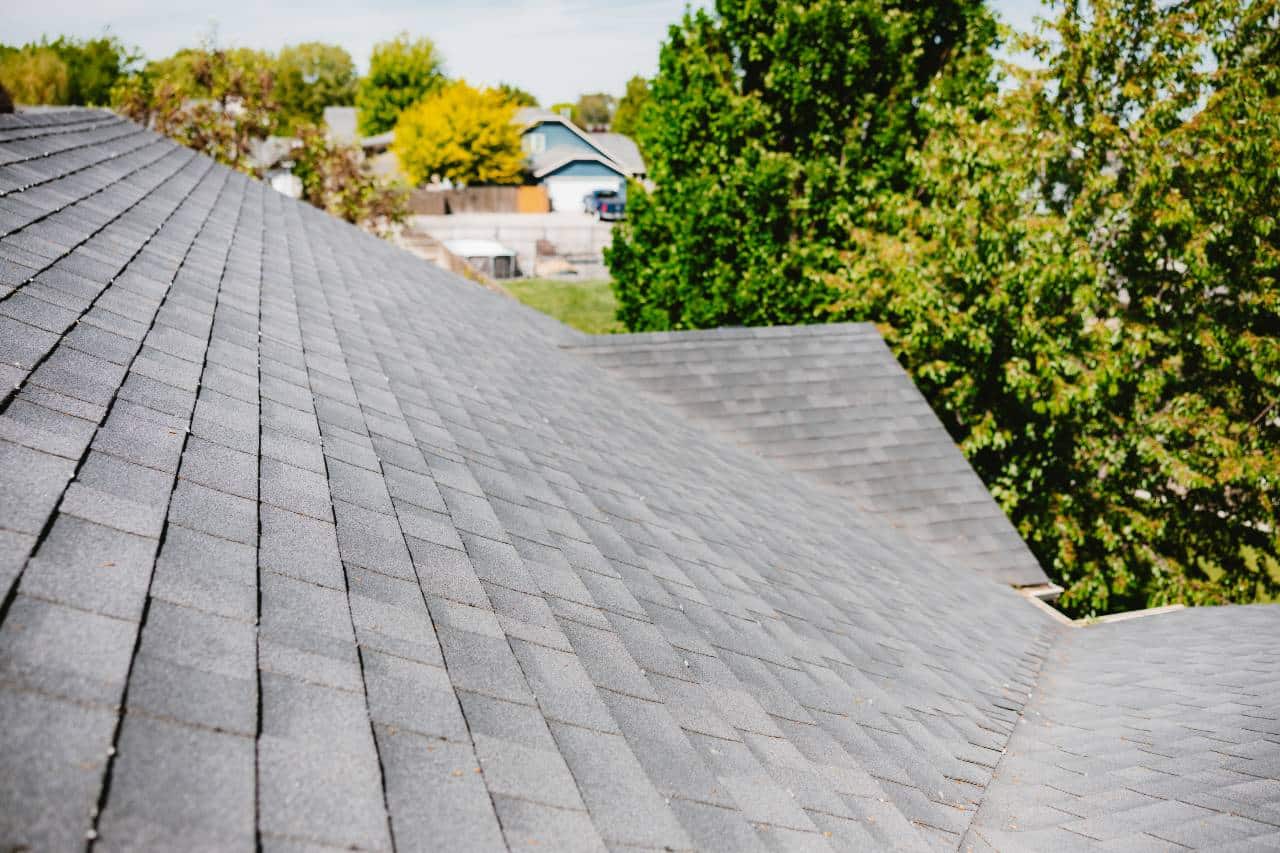
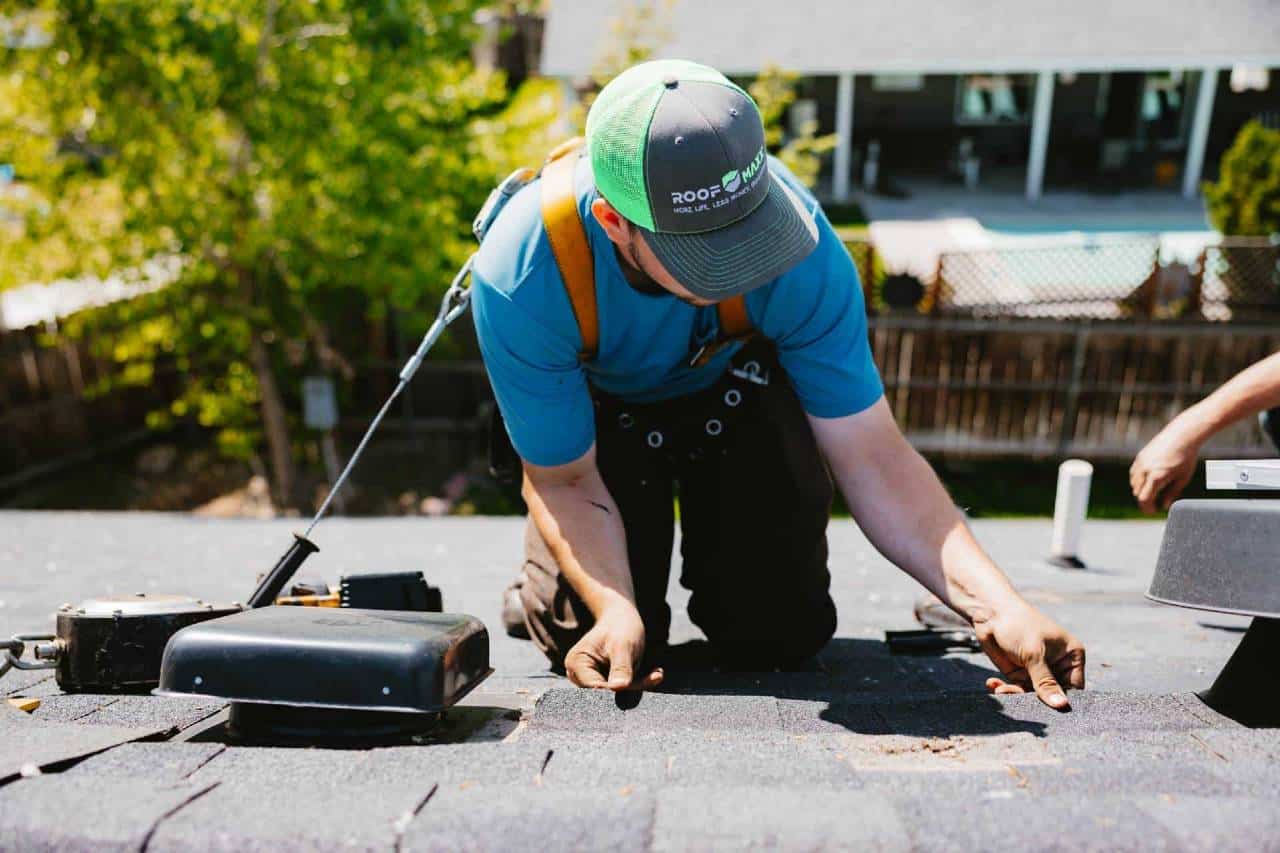
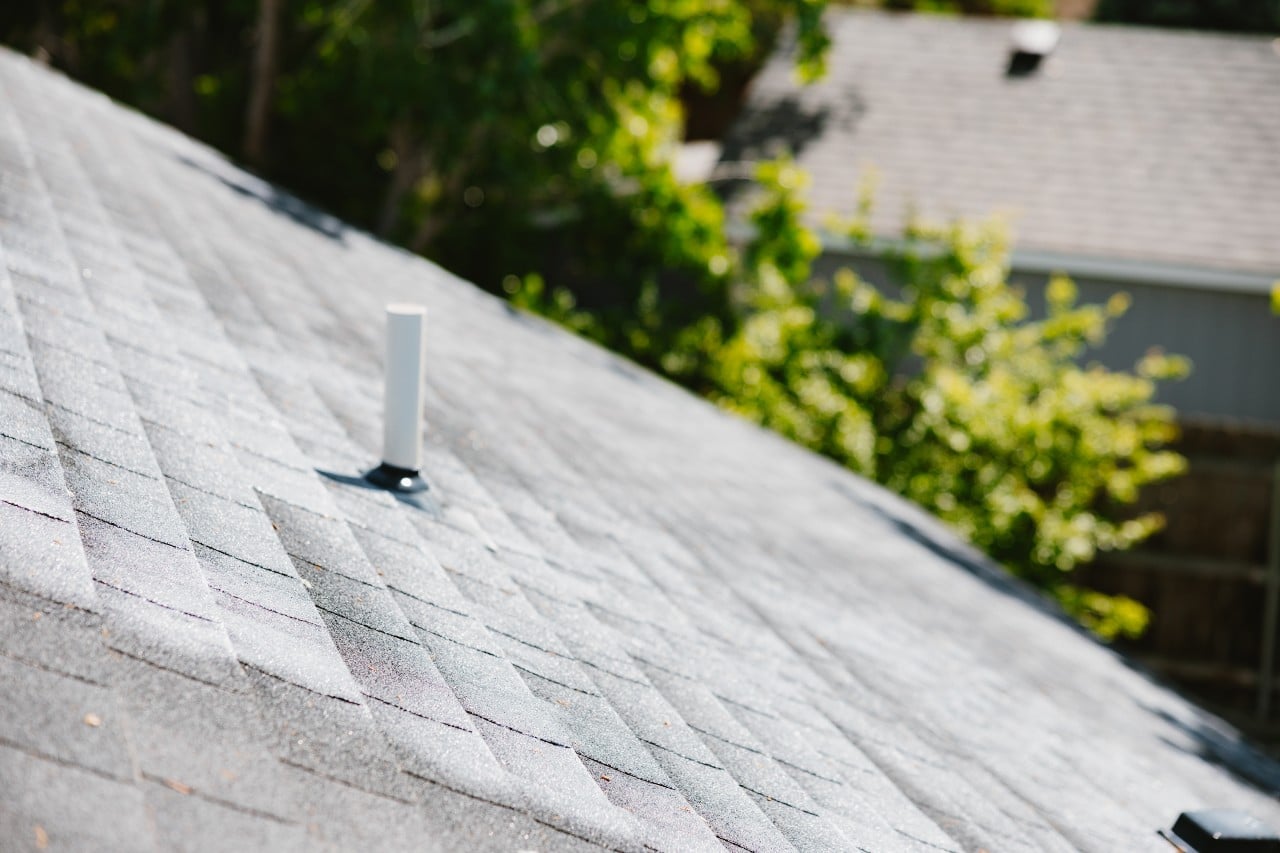

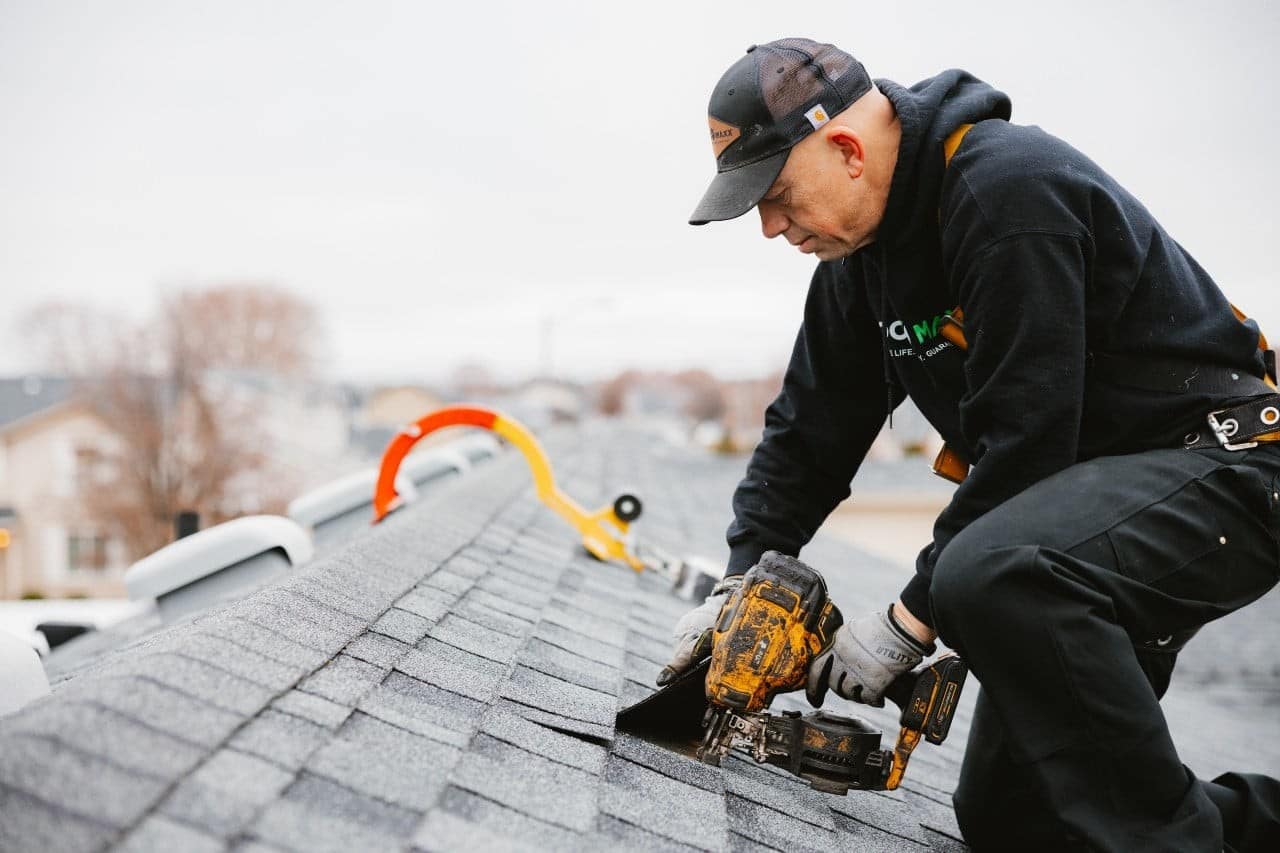
You look up at your roof, and it seems fine. There are no missing shingles or obvious leaks.
However, what you can’t see is happening inside each shingle as years of heat and sun slowly pull moisture and oils out of the material. Roofing issues often go unnoticed until a leak develops and costly repairs soon follow.
In Eastern Washington, roof surfaces can reach temperatures of 150°F or higher under direct sun, according to the U.S. Department of Energy. That kind of sustained heat accelerates the aging process and speeds up the breakdown of asphalt shingles.
As shingles dry out, they lose flexibility. Edges begin to curl, granules loosen, and brittleness sets in long before a leak appears. Dried-out shingles are common, but many homeowners mistake the early signs of breakdown for normal wear.
What you’ll learn in this guide:
- Why asphalt shingles dry out over time
- How the climate in Eastern Washington accelerates deterioration
- The warning signs of dried-out shingles
- How professional roof restoration can restore flexibility and extend your roof’s lifespan
What Causes Shingles to Dry Out

Asphalt shingles are designed to flex and shed water, but that flexibility depends on embedded oils. Over time, those oils gradually evaporate.
Once that process begins, the surface may still look intact while internal deterioration accelerates throughout the roof system.
Loss of Oils and UV Exposure
Asphalt shingles contain petrochemical oils that keep the roofing materials pliable. Years of sun exposure slowly draw those oils out, leaving the shingle drier and more rigid. Ultraviolet radiation breaks down the asphalt binder and weakens its structure.
Long summers and strong sun exposure amplify that process. Constant UV contact dries the shingle surface layer first, then works deeper into the material. What appears to be simple aging is often chemical depletion in the roofing materials.
Heat Cycling and Weather Stress
Temperature swings also strain roofing materials. Shingles expand in the heat and contract at night when temperatures drop. That repeated movement creates stress fractures over time.
Wind, dust, and seasonal storms add mechanical wear. Each weather event removes a small amount of protective coating, chipping away at the molecular structure. Combined with oil loss, this results in progressive brittleness and the need for costly roof repair or replacement.
Age-Related Brittleness
Even without extreme weather, aging alone changes the chemistry of asphalt shingles. The oils that once allowed flexibility diminish year by year. Eventually, the material becomes stiff enough to crack under minor stress.
Dried-out shingles rarely fail overnight. They deteriorate gradually as internal oils evaporate and flexibility declines. As brittleness increases, the roof system becomes more vulnerable to cracking, wind lift, and moisture intrusion.
Five Signs of Dried-Out Shingles

Dried-out shingles rarely fail without warning. The signs begin subtly and grow more pronounced over time. Recognizing them early gives homeowners an alternative to roof replacement before structural damage develops.
1. Curling Edges
Shingles that lose flexibility begin to lift at the corners or edges. Curling reduces wind resistance and creates small openings where leaks can travel beneath the surface. Left unchecked, the lifted edges invite further deterioration.
2. Granule Loss
Granules shield shingles from ultraviolet exposure and direct heat. When they loosen and collect in gutters, the asphalt beneath becomes more susceptible to accelerated aging. Surface protection weakens as that layer thins.
3. Surface Cracking
As internal oils evaporate, the asphalt layer stiffens and develops fine fractures. These cracks expand during heat cycles and temperature swings. Over time, they create pathways for water damage.
4. Brittle Texture
Healthy shingles bend slightly under pressure. Dried-out shingles feel rigid and may snap rather than flex. That brittleness increases risk during wind events.
5. Reduced Flexibility
Flexibility allows shingles to expand and contract with daily heat changes. When that movement disappears, stress builds within the structure. Reduced flexibility signals advancing shingle deterioration.
What Happens If Dried Out Shingles Are Ignored
Ignoring dried-out shingles rarely ends well. Early symptoms may seem cosmetic, but structural risk grows steadily. The longer brittleness persists, the greater the vulnerability.
Increased Risk of Leaks and Wind Damage
When shingles curl or crack, water can travel beneath the surface. Even small openings allow moisture to reach the underlayment. Over time, that moisture may compromise the roof deck.
Reduced flexibility also weakens wind resistance. Shingles that cannot bend are more likely to be lifted or torn. A single storm can quickly expose vulnerable areas throughout the entire home.
Premature Roof Failure and Higher Costs
As damage accumulates, repair costs rise. What could have been addressed through roof restoration may turn into full replacement. Once widespread cracking occurs, restoration becomes limited.
Premature roof replacement carries significant expense and disruption. Homeowners may face removal, debris disposal, and structural inspection. Early intervention prevents that escalation and saves money.
The Science Behind Shingle Treatment

Shingle treatment addresses the core issue behind dried-out shingles: oil depletion. Rather than covering surface damage, restoration targets the material’s internal chemistry. The goal is to restore your roof, not to conceal it.
How Roof Maxx Treatment Works
Roof Maxx treatment uses plant-based oils designed to penetrate asphalt shingles. These oils soak into the shingle and replenish what time and heat have removed. The process helps restore flexibility from within.
Unlike surface coating, this roof treatment does not form a rigid layer. It integrates into the existing shingles and their asphalt structure. That absorption allows shingles to regain pliability without altering appearance.
Restoring Flexibility and Waterproofing
When flexibility returns, shingles respond more readily to temperature changes. They expand and contract without cracking. That restored movement improves wind resistance and reduces surface stress.
Replenished oils also enhance waterproofing performance. Treated shingles resist moisture intrusion more effectively. Roof restoration supports both structural integrity and surface durability.
Benefits of Professional Roof Treatment
Professional roof treatment offers a proactive alternative to roof replacement. Instead of waiting for failure, homeowners can address aging before structural damage develops. That approach changes the long-term cost curve.
Extending Roof Lifespan and Saving Costs
Shingle treatment can extend the usable life of an existing roof by restoring lost flexibility. Additional years of service reduce the urgency of total roof replacement. For many homeowners, that delay makes a significant advantage for their budget.
Compared to full replacement, roof restoration involves a lower upfront investment. It avoids removal costs and debris fees. Strategic roof maintenance stretches roofing budgets further.
Environmental and Practical Advantages
Total roof replacement contributes significant material waste. According to the U.S. Environmental Protection Agency, roofing materials account for roughly 11 million tons of waste sent to landfills each year. Preserving existing shingles reduces landfill impact and limits material disposal.
Roof treatment application is also fast and minimally disruptive. Most treatments are completed in a single day. This way, homeowners avoid extended construction noise and debris.
When Shingle Treatment Is Appropriate

Not every roof system qualifies for shingle treatment. The condition of the building structure matters as much as the surface. A professional inspection can determine whether a roof is a good candidate for treatment.
Aging But Structurally Sound Roofs
Structurally sound roofs showing early signs of dried-out shingles often respond well to treatment. If the decking and underlayment remain intact, restoration is possible. Structural soundness is the key factor here.
Homeowners with roofs approaching the latter half of their expected lifespan frequently benefit from early intervention. Treating a few shingles before severe cracking develops yields positive results.
When Replacement Is Necessary
If shingles are severely cracked or broken, restoration may not be effective. Structural damage beneath the surface also limits the viability of treatment. In those cases, roof replacement becomes the responsible choice.
A roof inspection clarifies that distinction. An honest assessment from a roofing company prevents applying roof rejuvenation where it cannot deliver results. Proper evaluation protects your investment.
Treatment vs Roof Replacement
Choosing between roof treatment and replacement requires a clear comparison. Each option serves a different condition and budget scenario. Evaluating both paths allows informed decision-making.
| Factor | Roof Treatment | Roof Replacement |
| Upfront Cost | Lower investment | Higher investment |
| Timeline | Completed in one day | Several days or more |
| Structural Changes | No removal required | Full removal and rebuild |
| Other Factors | Maintain existing roof | New roof installation |
| Best For | Aging, dried-out shingles | Structural or severe damage |
Roof replacement is unavoidable when structural integrity is compromised. If decking or underlayment has failed, restoration will not fix the issue. In those situations, installing a new roof properly protects the entire home.
When shingles are simply dried out but still intact, shingle treatment offers a suitable maintenance solution. A good inspection will help homeowners evaluate the condition objectively. The right choice ultimately depends on the roof’s current condition.
How Often Roof Treatment May Be Needed
Roof treatment works within a long-term maintenance strategy. Like other building systems, roofing benefits from periodic attention. Waiting until failure will reduce the available options.

Multi-Application Lifecycle
Shingle treatment may be applied more than once during a roof’s lifespan. Each application helps restore flexibility and extend usability. That multi-cycle approach can add years to the original roof system.
Timing between applications depends on climate exposure and material condition. In high-heat regions, inspection intervals may shorten. Consistent monitoring maintains durability.
A Preservation-Based Approach
Roof maintenance avoids costly reactive replacement. Instead of responding to leaks, homeowners are encouraged to address aging before structural damage occurs. That shift in mindset changes long-term cost patterns.
Preservation emphasizes inspection, restoration, and strategic planning. Roof treatment services become part of routine care rather than emergency repair. Proactive management protects both the home and the budget.
Protect Your Roof Before Replacement Becomes Inevitable
Shingles do not fail all at once. They dry out gradually, stiffen under heat, and weaken long before a leak appears. Acting early keeps minor aging from turning into structural damage.
At Roof Maxx of Tri-Cities, we evaluate roofs with preservation in mind. We look for signs of dried-out shingles and determine whether professional roof restoration can restore flexibility. Our approach helps homeowners extend the life of their existing roof responsibly while avoiding unnecessary replacement costs. If your roof has endured years of Eastern Washington sun, now is the time to check its condition. Waiting reduces options and raises costs. Schedule a professional roof inspection with Roof Maxx of Tri-Cities to determine whether shingle treatment can restore flexibility and extend the lifespan of your roof.